News
Artisanal gold mining: heavy machinery banned, formalisation under way
Guinea banned mechanical equipment on artisanal gold sites in March 2026 and is preparing a formalisation framework. What that implies for the traceability of a lot.
Published on
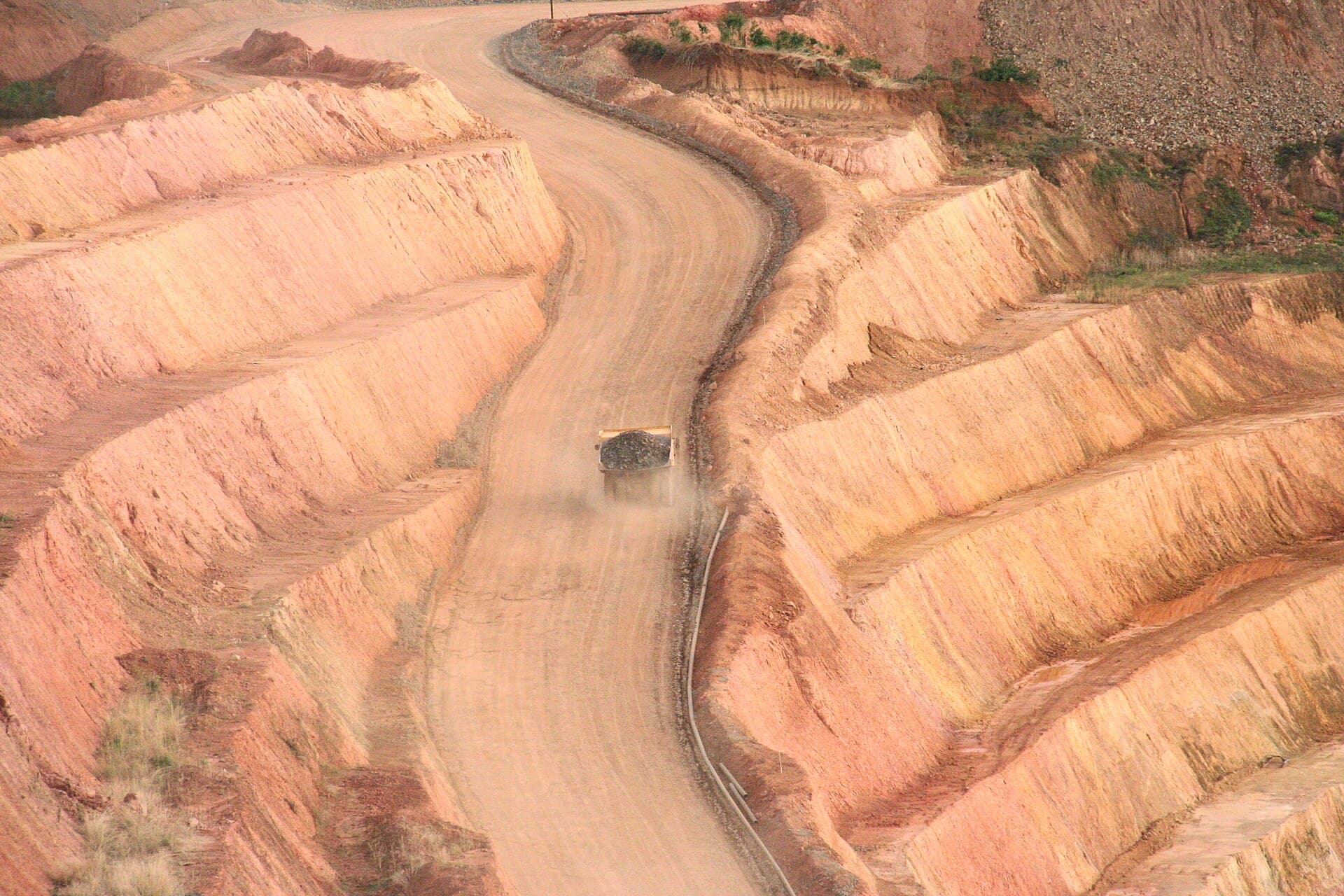
On 13 March 2026, a joint statement from the ministries responsible for territorial administration, mines and the environment banned heavy machinery on artisanal gold sites: excavators, bulldozers, backhoe loaders and similar equipment.
Back to the letter of the code
The measure invents nothing: the mining code of 2011, amended in 2013, already provides that classic artisanal mining is carried out by manual and traditional methods. The ban restates the rule and gives it a means of enforcement.
What it targets is well known: the mechanisation of an activity conceived as manual, with the environmental consequences that follow — watercourses diverted, soils stripped, sites left as they are.
A real weight in national output
Artisanal and small-scale mining accounted for 49.6 of the 69.3 tonnes of gold exported in 2025. This is not a marginal sector: it is more than seven tenths of the volume.
A formalisation framework, with certification of output, is announced for 2026. The scale of the informal sector makes it a multi-year undertaking rather than a reform carried by a single text.
Why this matters to a buyer
Because the question “where does this lot come from?” stops being a commercial courtesy.
Between the local refining requirement and the formalisation of artisanal mining, Guinea is building a chain in which the origin of a lot becomes documented by construction. For a buyer bound by its own due-diligence obligations, that is a simplification — provided one knows which documents to ask for, and from whom.
That is why we tie every lot to its extraction site. What was a commercial requirement yesterday is becoming a regulatory one.
Sources: Guinea Mining Insights, Chambers and Partners, Mining 2026 — Guinea. Photograph: darrylkeith, CC BY-SA 3.0.